The Ultimate Guide to HVAC SEO: Boosting Your Online Visibility

Michele Smith • October 27, 2023

Every business, including HVAC, needs a strong online presence in today’s digital era. While the demand for HVAC services is increasing, the competition is also getting fierce by the day. That’s where well-planned HVAC SEO marketing strategies can help.


According to Backlinko, the #1 result in Google’s organic search results has an average CTR of 27.6%. And, the #1 organic result is 10x more likely to receive a click than a page in the #10 spot. In other words, your HVAC business should aim to rank #1 in the search results. That can only happen if you strengthen your SEO efforts.


The question is, how?


Don’t worry! We have a few actionable, easy-to-implement HVAC SEO tips. With these tips, you can improve your search engine ranking.

Let’s get started.


HVAC Keyword Research:


Keyword research lays the foundation of your HVAC SEO. Discover high-converting keywords that resonate with your target audience. You can perhaps look for search terms like “energy-efficient HVAC systems” or “emergency AC repair.” Understand what your customers are looking for and incorporate it into your keyword research.


You can use tools like Google Analytics for keyword research. This is a free tool with several features, keyword research being one of them. It will help ensure your website aligns with popular search queries. However, you will have to keep updating your HVAC keywords list based on the changing customer demands. 


On-Page SEO Optimization


On-page HVAC SEO optimization involves optimizing your webpage content for search engines and users. Search engines like Google will look at the content of your page to see if it is relevant to the search results. That’s where on-page SEO optimization comes in. It’s the connecting link between your website and the users.


Here’s what you can do:


  • Craft compelling meta titles and descriptions that entice clicks. Optimize them with relevant keywords.
  • Keep your headers (H1, H2) concise and relevant.
  • Use keyword-rich content, but be sure to maintain readability.
  • Ensure intuitive navigation and mobile responsiveness.
  • Use descriptive image alt tags to increase search engine readability.
  • Leverage schema markup for enhanced snippets.
  • Regularly update and refresh your content. It helps maintain relevance and engagement.


On-page optimization is the key to a search engine-friendly website. Make sure it is part of your overall HVAC SEO strategies.


Technical HVAC SEO for Your Website


Technical SEO refers to website and server optimizations. It helps search engine spiders crawl and index your site more effectively. So, look into the technical aspects of your website as soon as possible.


Here are a few technical HVAC SEO solutions:


  • The probability of bounce increases 32% as page load time goes from 1 second to 3 seconds. So, optimize your site’s speed for swift loading on all devices.
  • Implement secure HTTPS protocol. It helps you gain user trust and favor with search engines.
  • Create XML sitemaps and robots.txt files for efficient crawling. It will make your website more attractive to search engines.
  • Fix broken links and rectify crawl errors promptly. It will boost user experience and lower your page bounce rate.
  • Enhance server performance for seamless user experiences. You will need to talk to your web hosting provider.


Technical HVAC SEO guarantees your website is visually appealing and technically superior. It’s your first step in ranking higher and attracting organic traffic effortlessly.


Local HVAC SEO Strategies


As the name suggests, local HVAC SEO will help boost the presence of your business in local search results. According to BrightLocal, 98% of consumers used the internet to find information about local businesses in 2022. If you get your local HVAC SEO straightened out, you can attract more web traffic. 


You should: 


  • Claim your Google My Business and Bing Places for Business listing. Optimize them with accurate business information, enticing photos, and customer reviews. 
  • Use consistent NAP (Name, Address, Phone number) details across all platforms. It instills trust and credibility.
  • Cultivate positive online reviews on Google, Bing, and other third-party sites like Yelp. Respond promptly to customer feedback, whether positive or negative. 
  • Develop location-specific landing pages tailored to local keywords. It can boost your local organic web traffic. 


Local SEO optimization fills the gap between potential customers in your area searching for HVAC services and your business. 


Link Building 


Getting other websites (with higher authority) to link to your website comes with a unique benefit: it makes your website more attractive to search engines. But more importantly, it helps boost your authority. In short, your web pages can rank higher in search results.

For better link building, you can:


  • Forge relationships with industry influencers and authoritative websites. Encourage them to link back to your website or on-site blog posts.
  • Create shareable, informative content that naturally attracts backlinks.
  • Publish guest posts on reputable HVAC blogs and forums to showcase your expertise.
  • Utilize social media platforms for outreach and networking.
  • Monitor your competitors’ backlink profiles and identify link-building opportunities.


But remember, this HVAC SEO hack relies on quality, not quantity. A few authoritative backlinks carry more weight than numerous low-quality ones. So, create your HVAC SEO strategies accordingly.


Content Marketing and Optimization  


Yes, developing engaging content is necessary. But that alone isn’t enough to get you the prime real estate on search results. You also need to optimize your content with the right keywords to ensure it resonates with the search engines. Naturally, search engine bots will rank well-optimized content higher in the search results.


You can:


  • Develop informative blogs, how-to guides, and video tutorials catering to common HVAC concerns. Address customer pain points and talk about how your HVAC services can help.
  • You can also share industry news, energy-saving tips, and maintenance advice. Also, don’t forget to use engaging visuals and infographics. These make your content highly attractive. 
  • Repurpose content into different formats to maximize your reach.


But while doing this, maintain a consistent posting schedule. It will keep your audience engaged and informed. Remember, on the internet, and out of sight is out of mind.


Conclusion 


As you can see, mastering your HVAC SEO is not a luxury in today’s digitalization. It is a necessity. Simple steps like keyword research, on-page and technical SEO optimization, and content creation can boost your rankings. You can also use local SEO and link-building strategies to improve your online presence. But the most critical factor is consistency. You will need to keep improving your HVAC SEO strategies over time. That’s your ticket to ranking #1 on Google search results. 


And at All Contractor Marketing®, we can help boost your search engine rankings. Our SEO experts can devise strategies that yield tangible results. Contact us for details.

By Chris Smith April 18, 2026
How HVAC Businesses Can Streamline Social Media With Smart Publishing In today’s digital world, staying active on social media isn’t extra — it’s essential. For HVAC companies, regular social posts help you stay top-of-mind with local customers, share seasonal tips, promote service specials, and build trust in your community. But consistently creating and scheduling posts across Facebook, Instagram, LinkedIn, Google Business Profile, and more can quickly become overwhelming. That’s where automated social publishing tools come in. These systems take the guesswork and grunt work out of managing your HVAC social presence by planning, generating, and scheduling content for you — while keeping your brand voice consistent. Why HVAC Social Media Publishing Can Be Hard Most HVAC teams know the struggle: you start the week with good intentions, only to stare at a blank content calendar by Tuesday. Posting regularly across multiple platforms means: Creating new content ideas Customizing messages for each social platform Aligning posts with seasonal needs (think winter heating care or summer A/C checkups) Scheduling at times your audience will engage All of this is time-consuming — and that’s before you factor in approvals and edits. What Social Publishing Tools Do Modern social publishing systems automate the whole content cycle — from planning to posting. They: Generate ideas and posts AI and smart engines analyze industry trends, seasonal events, local needs, top-performing past posts, and competitors to suggest what you should post and when. Tailor content for HVAC audiences By learning your brand voice and service areas, these tools create posts that feel authentic — whether you’re promoting spring tune-ups, sharing energy-saving tips, or highlighting customer testimonials. Fill your calendar automatically Rather than starting from scratch each week, you get a filled content calendar with ready-to-publish posts that align with your goals and local HVAC needs. Handle multi-platform posting Good tools let you publish to Facebook, Instagram, LinkedIn, TikTok, and Google Business Profile all from one place. Support approvals and edits If you want oversight before anything goes live, built-in approval workflows make it easy for your marketing lead to review and adjust posts. Benefits for HVAC Companies Using a dedicated social publishing solution can transform how your HVAC business connects with customers: Save time Automated content generation and scheduling free your team to focus on service quality and customer communication rather than repetitive posting. Increase engagement Consistent posting paired with AI-recommended best posting times can help boost reach and interaction, bringing more eyes to promotions, maintenance tips, and seasonal reminders. Stay relevant locally Rather than generic national posts, these tools help craft messages that make sense for your specific service areas — a key advantage for local HVAC businesses trying to build regional authority. Grow your brand voice AI learns your style over time, producing content that sounds like you — not robotic or generic. Best Practices for HVAC Social Publishing Here are a few tips to get the most out of your social publishing system: Plan seasonal campaigns. Highlight preventative maintenance in spring and fall, energy-saving summer tips, emergency service readiness in winter, and any promotions you run. AI tools can help populate these into your calendar. Mix educational content with promotions. Balance service specials with helpful HVAC tips — like how to change filters or when to schedule a pre-winter check. AI tools often pull trend data to help you do this effectively. Review and customize. Automated uploads are great, but always glance at suggested posts to ensure they fit your brand and local audience. Track results. Use analytics to see which posts get the most engagement and let that guide future topics. Many social publishing tools include reporting dashboards. Conclusion  For HVAC businesses aiming to grow their online presence without spending hours each week on content creation, automated social publishing tools are a game changer. By generating on-brand, locally tailored posts and scheduling them at optimal times, these systems make social media management efficient and effective — helping you attract new leads and deepen engagement with your community.
By Chris Smith April 11, 2026
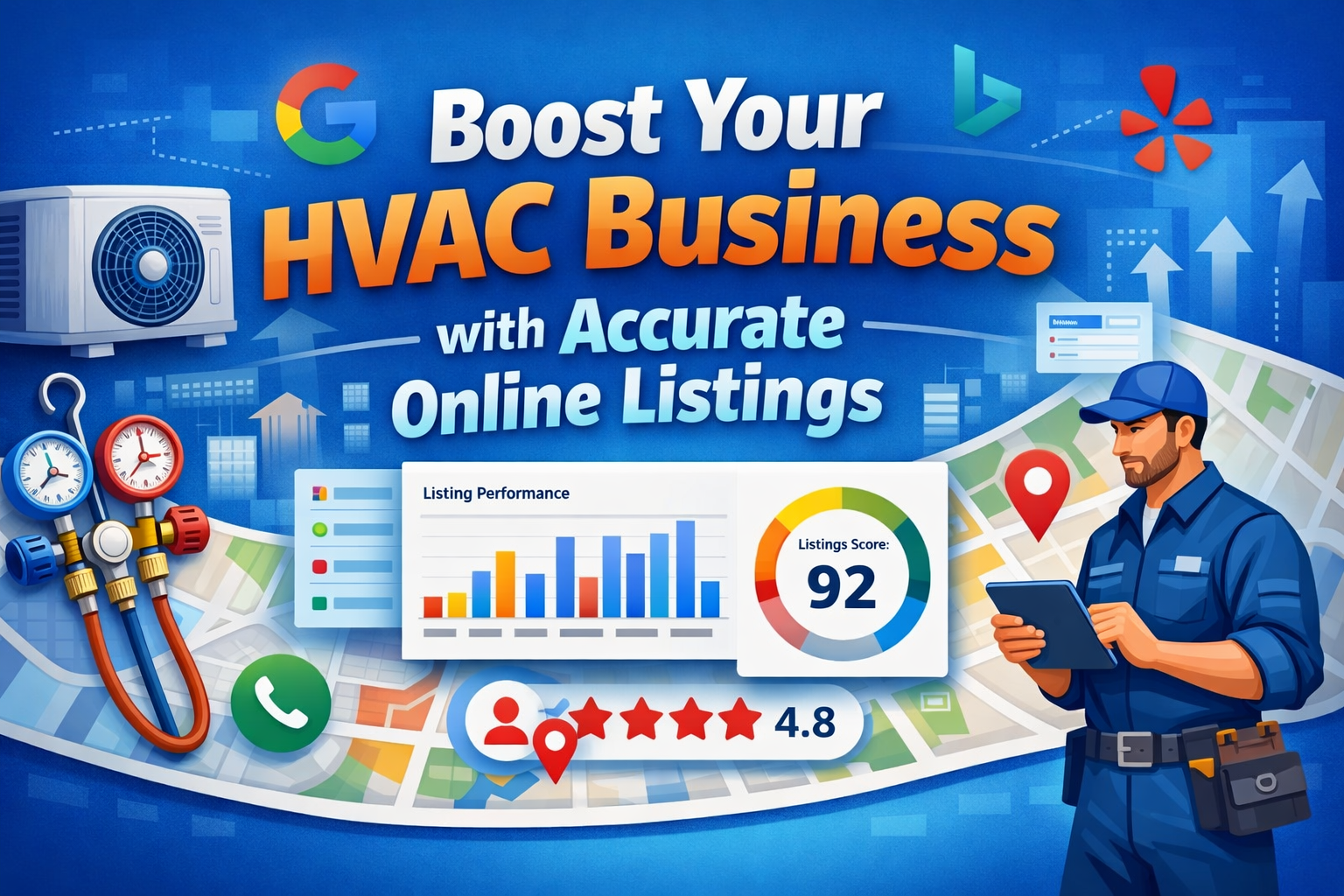
Why Accurate Online Listings Are a Game Changer for Your HVAC Business As an HVAC contractor, getting found online isn’t optional anymore — it’s essential. When homeowners search for “AC repair near me” or “furnace installation,” your business needs to show up with accurate, complete information across all the major directories to win that lead. One of the most impactful ways to improve your local visibility and attract more customers is through well-managed online listings and reporting. What Are Online Listings? Online listings are your business profiles across platforms like Google Business Profile, Apple Business Connect, Yelp, Bing Places and many industry-specific directories homeowners use to find HVAC services. These listings include your company name, address, phone number (NAP), hours, services offered and often customer reviews. Maintaining accurate listings helps you show up in local search results when potential clients are actively looking for HVAC help. Why HVAC Listings Matter More Than Ever Search engines use business listings to understand who you are and where you operate. Accurate, consistent listings across the web: Boost local SEO rankings because search engines trust consistent data. Connect customers quickly with up-to-date details like emergency service hours or new contact numbers. Increase credibility by showing reviews and complete business information. For HVAC contractors — where services are often urgent — listings can be the difference between a new job and a lost customer. The Power of Listings Reporting Simply having listings isn’t enough; you need to know how they perform. Listings reports help HVAC businesses analyze how customers find and interact with their profiles online. With reporting tools you can: Measure visibility and engagement like how many times your listings appeared and what actions users took (calls, clicks, directions). Check profile accuracy to ensure your hours, phone and services are correct everywhere. Track keyword rankings so you can optimize for HVAC-specific searches like “emergency AC repair” in your city. Compare performance over time to see what’s working and where to improve. This data allows you to make smarter decisions about where to invest your marketing efforts and how to optimize listings for more calls and bookings. Listings Score and Why It Matters Most reporting tools also give you a Listings Score, a snapshot of how strong your online presence is across platforms. A higher score means: More accurate information across directories Better local search rankings Higher trust from search engines and customers Improving your listings score over time should be part of your HVAC marketing strategy. Best Practices for HVAC Listings To get the most from your listings: Claim and verify your profiles on Google, Yelp, Apple and industry directories. Keep NAP consistent across all platforms — mismatches hurt your SEO. Use HVAC-specific keywords so your listings appear in relevant local searches. Encourage customer reviews and respond professionally. Monitor performance and update listings as your services or hours change. Conclusion  For HVAC companies looking to grow online and convert more local searches into real service calls, accurate and well-managed online listings are foundational. Combine them with regular performance reporting to track progress and continuously improve your visibility. That’s how you stay ahead in a competitive local market and make sure customers find your HVAC business first when they need help the most.
By Chris Smith April 4, 2026
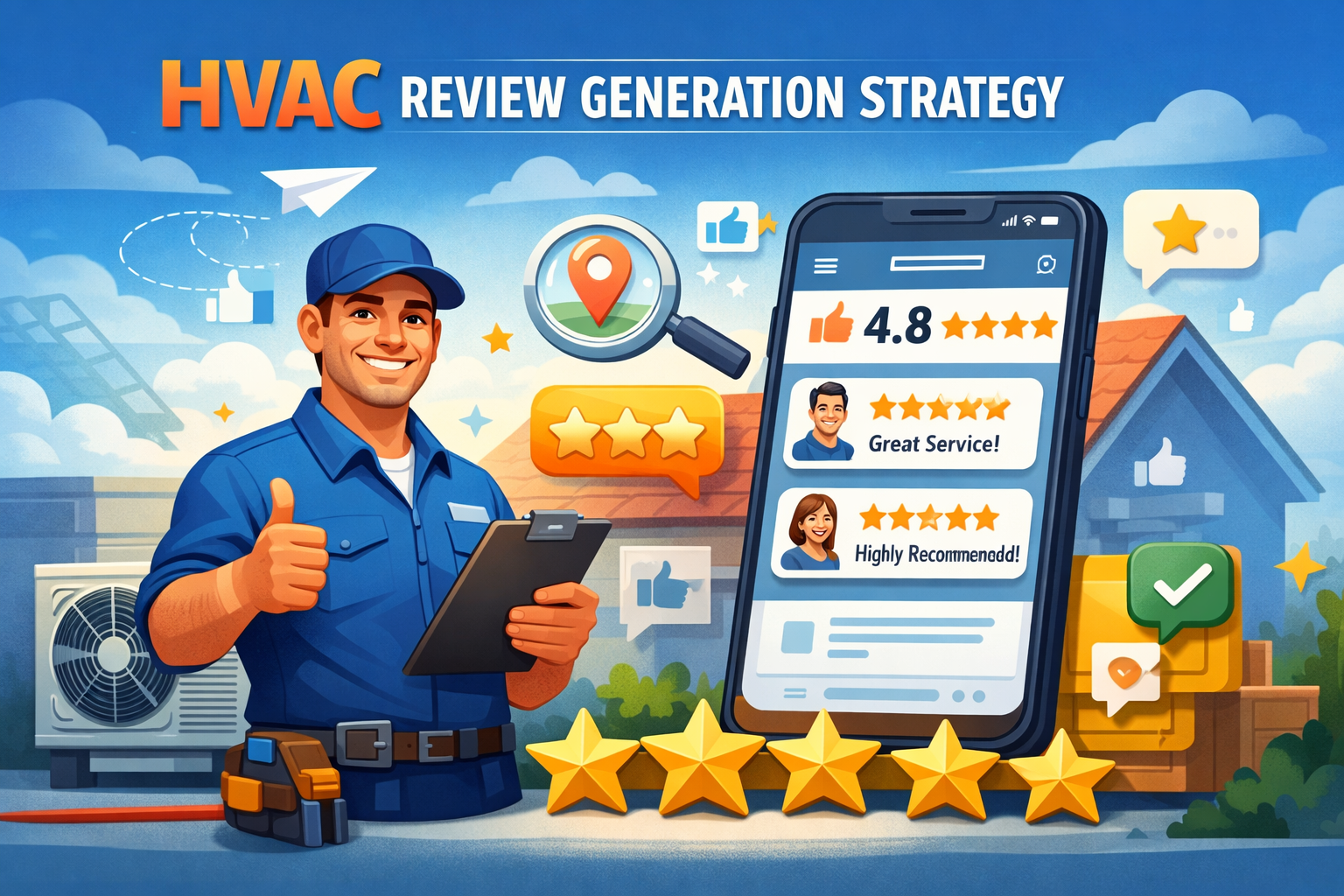
Why HVAC Businesses Need a Smart Review Generation Strategy Online reviews aren’t just nice to have for HVAC contractors — they’re essential. Today’s homeowners almost always check reviews before calling for service, installation, or maintenance. A strong review profile can improve your visibility in local search results, boost credibility, and directly drive calls and bookings for your HVAC business. What Is Review Generation? Review generation is the proactive process of asking customers to share their experiences with your HVAC services on public review platforms. Instead of waiting for feedback to come in randomly, you actively request it at strategic moments — like right after a service call or system install. By consistently generating reviews, you increase your business’s online presence and make it easier for future customers to find and trust you. The Impact of Reviews on Your HVAC Business 1. Boost Local Search Visibility Reviews are a major factor in local search rankings. Search engines like Google use review quantity and quality to determine how relevant your business is to people searching for HVAC services. More positive reviews can help you appear higher in the local “map pack” and organic search results. 2. Build Trust With Potential Customers Homeowners rely on reviews like personal recommendations. A strong collection of recent, positive feedback shows that your HVAC company consistently delivers great service — whether it’s a repair in a heatwave or a full system installation. 3. Drive More Leads and Conversions Businesses with larger review counts and higher ratings tend to get clicked and contacted more often. That means more calls, more booked jobs, and ultimately more revenue from your existing service efforts. A Step-by-Step Approach to Generating HVAC Reviews Step 1: Identify the Best Times to Ask Ask customers for a review when they’re most satisfied — for example, right after a successful tune-up, emergency fix, or installation. These moments are when homeowners are most willing to share positive feedback. Step 2: Make It Easy to Leave Feedback Provide multiple review options like QR codes, direct links via text or email, and buttons on your invoices or receipts that point to your Google Business Profile or Facebook page. The easier it is, the more likely they’ll leave a review. Step 3: Use Automated Follow-Ups Automating follow-up requests through review software saves time and ensures no opportunity is missed. Tools can send reminders at optimal times and tailor messages for each customer. Step 4: Respond to Every Review Responding to reviews — especially on Google — shows you care and helps reinforce trust with new prospects. Even negative feedback can be turned into a positive by acknowledging concerns and offering solutions. Tips to Maximize Your HVAC Review Strategy Choose the Right Platforms Google Reviews are usually the most impactful for HVAC companies because they heavily influence local search visibility. Facebook and industry-specific platforms can also be valuable. Encourage Honest Feedback Always aim for genuine reviews from real customers. Authentic feedback not only builds trust but also minimizes the risk of penalties from review platforms. Use Customer Service as a Review Opportunity Train your technicians to mention reviews during customer interactions. A simple ask like “If you’re happy with our service, a quick Google review helps our team a lot” can significantly increase review rates. Wrap-Up A thoughtful review generation system is one of the most effective marketing tools for HVAC businesses today. By actively collecting and managing customer feedback, you improve online visibility, build trust with new customers, and create a steady stream of leads — all while reinforcing your reputation as a reliable HVAC service provider.  Ready to take your HVAC business’s reviews to the next level? Start optimizing your review generation strategy today and watch your online presence grow.